


Year-End Stock Preparation: The Labels Your Business Should Order Before December
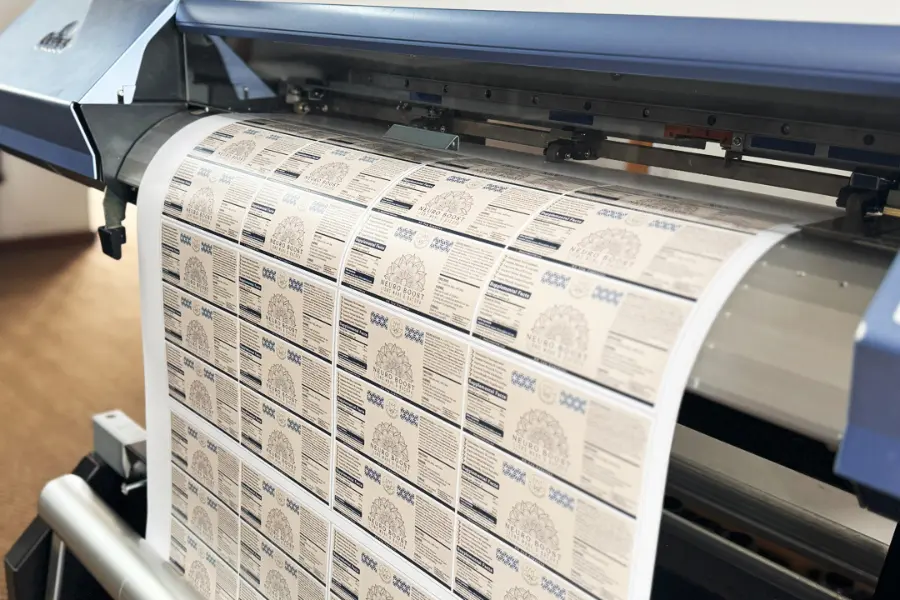
For many South African businesses, the final quarter of the year is about more than meeting sales targets. It is also the time to review stock levels, prepare products for dispatch, organise warehouse supplies and make sure essential packaging materials are available before the December shutdown.
For businesses that manufacture products, distribute goods or package items in large quantities, labels are an important part of this preparation. Running short of product labels, identification labels or packaging stickers can slow down production and dispatch at exactly the time teams are trying to finalise outstanding orders.
October is a useful time to review your label requirements for the remainder of 2026 and the start of 2027. Ordering in bulk ahead of the busy period can help businesses plan production runs, manage stock more effectively and reduce the pressure of last-minute reorders.
1. Review Your Product Label Stock Before the Final Production Runs
If your business manufactures or packages products, your existing label stock may need more attention than you realise. The final months of the year can bring changes in production schedules, increased customer demand and pressure to complete orders before suppliers and customers close for the holidays.
Start by reviewing the products you expect to manufacture, package or distribute between now and the end of the year. Look at your current label quantities and compare them with your expected production requirements.
Pay particular attention to labels used across multiple production runs. If a product requires the same branding, ingredients, product information or barcode label each time it is manufactured, running out could interrupt the entire process.
A bulk label order can help you maintain a consistent supply for planned production, provided the quantities are based on realistic usage forecasts and the labels will remain suitable for future batches.
It is also worth checking your artwork before reordering. If product details, contact information, ingredients or other printed information have changed, confirm the latest approved version before committing to a large quantity.
2. Make Sure Your Packaging Labels Are Ready for Dispatch
Packaging preparation can become a bottleneck when several departments are working towards the same deadline. Products may be manufactured and packed, but dispatch can still be delayed if the necessary labels are unavailable.
Businesses that ship products regularly should review the labels used to identify parcels, cartons, individual products and packaged goods.
Depending on your operation, this may include:
- Product identification labels used during packing.
- Barcode labels for scanning and stock management.
- Carton labels showing product codes or other handling information.
- Branding stickers applied to product packaging.
- Labels used to identify batches or distinguish different product variations.
The requirements will differ between industries, so the aim is to identify the label types your team uses most frequently and make sure enough stock is available for the planned workload.
For businesses handling large volumes, ordering these labels together can make procurement easier and help keep frequently used specifications consistent.
3. Check Your Warehouse and Inventory Identification Labels
Year-end stocktakes are an opportunity to review how products and materials are identified throughout your business.
Warehouses, factories and distribution facilities often rely on labels to distinguish stock locations, identify products and help employees find the correct items. If labels have become damaged, faded or difficult to read, replacing them before the stocktake can help make the process more manageable.
Review the labels used on storage bins, shelves, cartons, stock containers and other frequently accessed locations. Identify any gaps in your current system and determine which labels need replacing or replenishing.
For businesses using large quantities of standard identification labels, a planned bulk order can help maintain consistency across different areas of a facility.
Before ordering, consider where each label will be applied. Labels used on plastic containers, metal shelving, cardboard cartons or surfaces exposed to moisture may require different adhesive properties or materials.
Choosing a suitable specification is particularly important when labels need to remain legible throughout storage, handling and transport.
4. Plan Your Bulk Label Orders Around Supplier Lead Times
One of the most useful steps you can take before the December shutdown is to review how long your regular label orders take to arrive.
Custom labels may require artwork approval, production time and delivery. If your business depends on a specific size, material, adhesive or printed design, leaving the order until stock is almost depleted can create unnecessary pressure.
Review your average monthly label usage and calculate how much stock you are likely to need before the end of 2026 and during the first few weeks of 2027.
When planning quantities, consider:
- Your expected production and dispatch volumes.
- Current stock on hand.
- Any confirmed changes to product specifications.
- Supplier production and delivery lead times.
- Planned factory closures and reduced operating hours.
- The possibility of a slower replenishment cycle during the holiday period.
Avoid ordering large quantities simply to build up stock. A bulk order should reflect your actual requirements, available storage space and the expected shelf life of the label materials and adhesives.
It is also sensible to confirm current production schedules and cut-off dates with your label supplier rather than assuming that normal turnaround times will apply throughout December.
5. Use the Year-End Review to Consolidate Repeat Label Orders
Businesses that purchase several types of labels throughout the year may benefit from reviewing their ordering patterns before placing their final orders for 2026.
For example, a manufacturer might regularly order product labels in several sizes, while a distributor uses separate labels for cartons, stock identification and packaging. Reviewing these requirements together can help the purchasing team build a clearer picture of total demand.
This does not mean every label should be combined into one specification. Different applications may require different materials, finishes, adhesives and print details.
Instead, use the review to identify repeat orders, confirm approved artwork and establish which specifications are likely to remain unchanged into 2027.
For suitable repeat-use labels, planning larger quantities can reduce the need to place frequent small orders. It can also help businesses coordinate procurement with their production schedules.
Where products or regulations may change, confirm the details before ordering large quantities that could become obsolete.
6. Don’t Forget Labels Needed When Operations Resume in January
Preparing for year-end is not only about getting through November and December. Businesses also need to consider what will be required when staff return and normal production schedules resume in January.
If your operation uses labels every working day, the first week back is not the ideal time to discover that essential supplies have run out.
Review the label quantities needed for your first planned production runs, dispatch schedules and incoming stock.
This is especially important if your business expects to resume operations before some suppliers have returned to their normal schedules.
Where practical, include January’s anticipated requirements in your current purchasing plan. Just make sure the specifications are finalised and the stock can be stored appropriately until needed.
This approach helps purchasing teams plan ahead without relying on emergency orders to keep production moving.
7. Prepare Your Label Order Checklist for 2027
Before submitting your next bulk label order, work through a few essential checks:
- Review current label stock and average monthly usage.
- Estimate requirements for the remainder of 2026 and the start of 2027.
- Identify product, packaging and warehouse labels that need replenishing.
- Confirm artwork, product information, sizes and specifications.
- Check material and adhesive suitability for the intended application.
- Verify quantities against expected production and dispatch volumes.
- Confirm supplier lead times and year-end ordering deadlines.
- Plan storage for the quantities being ordered.
- Check that labels for upcoming product changes have not been ordered prematurely.
Having these details ready can make it easier to request a bulk quotation and ensure the labels supplied match your operational requirements.
Plan Your Year-End Label Requirements with StickerAndLabelSA
Bulk label planning is a practical part of preparing your business for the end of the year. By reviewing stock levels, confirming specifications and placing essential orders ahead of the December rush, you can help your team avoid preventable delays and start 2027 with the supplies it needs.
StickerAndLabelSA provides label solutions for businesses that need product, packaging and identification labels in quantities suited to their requirements.
If your business relies on labels for production, stock management or dispatch, now is a good time to review your upcoming requirements and plan your next order.
Get your label specifications and quantities ready early so your business can finish 2026 with a clearer stock plan and fewer last-minute purchasing pressures. Order now or contact us directly here for assistance.